Full-Scale Wildlife Control: Defending Your Property Naturally
Comprehensive animal management provides a balanced approach to managing frequent invaders on private properties. By employing eco-friendly and compassionate techniques, property owners can efficiently repel animals while preserving native habitats. Gaining insight into the tendencies of these creatures is essential for implementing effective strategies. As property owners pursue remedies, questions arise about the most reliable approaches and the necessity for living in harmony. What practical steps can be implemented to guarantee protection without endangering animals?
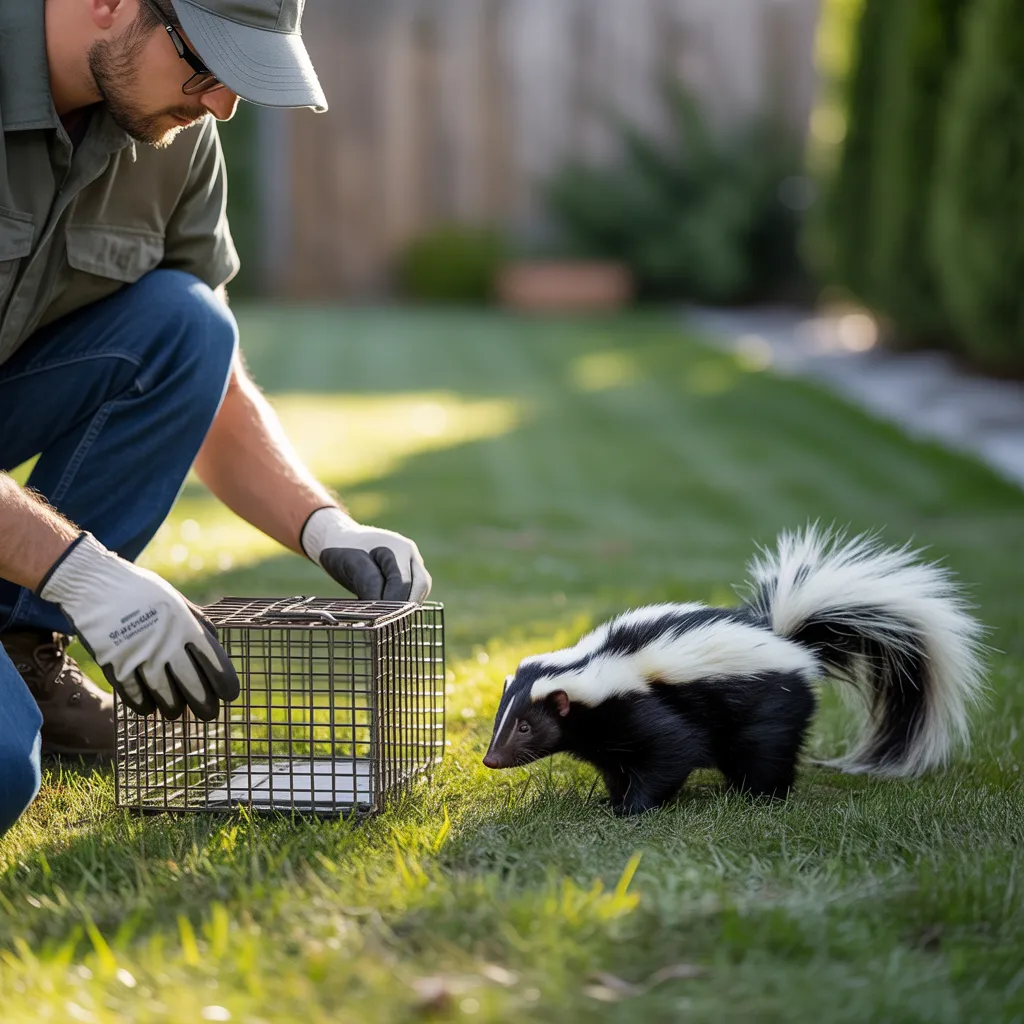
Typical Wildlife Invaders and Their Habits
When homeowners encounter wildlife intruders, understanding their behaviors becomes vital for effective control. Typical wildlife invaders consist of raccoons, squirrels, skunks, and deer, each demonstrating specific habits that can influence home environments. Raccoons operate at night and frequently search for food in trash bins, showcasing a nimbleness that permits them to pry open receptacles. Squirrels, recognized for their nimbleness, can readily infiltrate attics and rooftops, encouraged by the need for nesting locations or a food source. Skunks, though typically non-aggressive, can pose a problem when excavating lawns in search of insects or grubs. Deer, lured by gardens and decorative plants, are capable of producing extensive destruction as they consume vegetation. By identifying these habits, residents can more effectively predict intrusions and ready themselves for possible wildlife interactions, laying the groundwork for effective management strategies. Recognizing the individual tendencies of these animals is key to sustaining a harmonious relationship with local wildlife.
Important Strategies for Effective Wildlife Management
Proper wildlife control necessitates a well-rounded approach that includes habitat adjustment techniques, organic deterrents and repellents, and humane trapping techniques. Such methods are designed to minimize human-wildlife conflicts while promoting a balanced ecosystem. Learning and applying these methods can lead to effective solutions for addressing wildlife intrusions.
Habitat Alteration Approaches
Multiple environmental modification techniques can markedly reduce human-wildlife conflicts in residential and suburban environments. By altering the environment, landowners can render their properties less attractive to nuisance wildlife. This involves limiting food accessibility by securing waste receptacles, installing bird feeders specifically designed to deter larger animals, and cleaning up fallen fruit or pet food. In addition, limiting shelter options is critical; cutting back thick vegetation and closing off building entry points helps prevent nesting. Proper management of water sources requires eliminating standing water, which attracts various species. Applying these methods not only safeguards properties but also supports a well-balanced ecosystem, allowing wildlife to thrive in their natural habitats while limiting unnecessary human-wildlife contact.
Natural Deterrents and Repellents
Natural deterrents and repellents serve a vital function in addressing wildlife activity in residential areas. These techniques employ natural substances to form barriers that keep animals away from properties. Common examples include using predator urine, citrus scents, or vinegar, which can deter various species such as raccoons, deer, and rodents. Additionally, planting specific herbs, like mint or lavender, can repel pests while enhancing the landscape. Sound- and light-emitting motion-activated devices can prove equally effective, offering a humane approach to deterring wildlife. The effectiveness of these strategies often depends on the specific species being targeted and the environment in which they are applied. Embracing these natural alternatives promotes a sustainable and harmonious relationship between humans and the natural world.
Responsible Trapping Practices
Humane trapping techniques are critical for responsible wildlife management, ensuring both human safety and animal welfare. The best practices emphasize using humane traps designed to limit stress and injury to animals. Humane live traps, built to catch animals without injury, enable safe relocation, while snap traps provide a fast and humane solution for dispatching smaller nuisance animals. Careful bait choices draw in target species without endangering non-target wildlife. Regular trap inspections are necessary to avoid extended animal confinement. Furthermore, positioning traps in key areas, including near entry points or feeding zones, greatly improves their success rate. Above all, following local guidelines concerning trapping and wildlife relocation is critically important, supporting ethical behavior and confirming adherence to applicable wildlife protection regulations. These methods contribute to a balanced approach to managing wildlife populations.
The Importance of Humane Methods in Wildlife Management
Even though wildlife management commonly entails tough decisions, focusing on humane techniques is vital for maintaining a well-balanced ecosystem. Humane approaches not only minimize suffering but also promote coexistence between humans and wildlife. By utilizing non-lethal methods, such as relocation and environmental modification, wildlife managers can decrease conflicts while protecting animal well-being.
Moreover, ethical approaches support widespread approval and constructive community ties. When individuals perceive wildlife management as ethical and compassionate, they demonstrate increased motivation to join conservation endeavors and endorse community-based initiatives. Such approaches equally sustain biodiversity, as they empower natural populations to grow without unwarranted interruption.
In the end, emphasizing compassionate practices in wildlife conservation cultivates a deeper awareness of environmental interconnections. This approach supports the notion that humans and wildlife can exist in balance, promoting respect for nature while thoughtfully resolving challenges that may develop in shared environments.
Proven Methods for Wildlife Control
In addressing wildlife control, proven methods involve habitat modification techniques and the use of natural deterrents and repellents. These techniques work to reduce human-wildlife conflicts while supporting a balanced ecosystem. By adopting these strategies, neighborhoods can develop a more balanced relationship with the surrounding wildlife.
Habitat Adjustment Strategies
Adjusting habitats functions as a proactive approach to wildlife control, significantly reducing the probability of unwanted wildlife contact. By altering the environment, landowners can limit the elements that attract animals. For instance, securing trash in animal-proof containers and eliminating stagnant water can discourage wildlife. Additionally, cutting back excessive growth and sealing entry points in buildings helps eliminate potential habitation spots. Installing physical obstacles, such as enclosures, can additionally limit wildlife access to yards or garden areas. Implementing these strategies not only protects property but also supports a balanced environment, permitting indigenous species to prosper while keeping unwanted animals at bay. Overall, environmental adjustment successfully promotes a safer and more harmonious living environment for people and animals alike.
Natural Repellents and Deterrents
Modifying the habitat establishes a basis for successful wildlife management, but pairing these measures with natural deterrents and repellents can significantly boost defense against unwanted animals. A range of natural substances act as powerful barriers against typical pests. Notable examples include powerful scents like peppermint oil, vinegar, and citrus, which can drive away rodents and insects. Additionally, the use of predator urine, available commercially, can discourage smaller wildlife by signaling the presence of a natural threat. Growing specific herbs like lavender or basil can likewise assist in keeping unwanted wildlife at bay. Incorporating motion-activated devices that emit sounds or lights can effectively frighten animals away. By employing these natural techniques, property owners can develop a less attractive environment for wildlife, lowering the probability of intrusions while maintaining an eco-friendly stance.
Creating a Safe Environment for Wildlife and Your Home
Establishing a secure setting for wildlife and residential properties necessitates a balanced approach that addresses the needs of both. Homeowners can implement measures that promote coexistence while protecting residential spaces. This encompasses securing trash bins and compost piles to deter unwanted visitors, as well as planting local flora in outdoor spaces, which provide natural habitats for local wildlife.
Well-placed fencing can establish boundaries that safeguard gardens while keeping animals safe. Incorporating birdhouses and bat boxes enhances biodiversity while benefiting homeowners through natural pest control.
Furthermore, minimizing reliance on chemical pesticides encourages a more sustainable natural habitat, benefiting both people and local wildlife. Consistent structural maintenance, like patching gaps and mending screens, also deters wildlife intrusion.
When to Seek Professional Help for Wildlife Control
When should homeowners consider enlisting professional help for wildlife control? When a homeowner comes across wildlife that presents a health hazard, such as raccoons or bats, it becomes necessary to contact a qualified specialist. Additionally, when animals begin nesting in attics, walls, or basements, seeking professional help is wise to protect the home from damage. Signs of persistent wildlife activity, like unusual noises or droppings, indicate the need for a specialist's evaluation.
Additionally, if aggressive animal behavior becomes a concern or if a homeowner is uncertain about safe removal methods, contacting professionals becomes essential. Wildlife control experts possess the knowledge, tools, and experience to handle various species humanely and effectively. Additionally, regions that are home to protected or endangered species may necessitate special permits, making expert guidance essential refer now for adhering to local regulations. Ultimately, recognizing these circumstances can help homeowners protect their property while maintaining a safe environment.

Common Questions and Answers
How Do I Keep Wildlife Out of My Garden?
To stop wildlife from getting into the garden, one should install sturdy fencing, use repellents, copyright tidy conditions, secure trash, and cultivate unappealing plant varieties. Consistent observation and modifications can enhance these protective measures effectively.
What Are the Indicators of a Wildlife Infestation?
Indicators of a wildlife problem consist of droppings, chewed plants, nests, tracks, and unusual noises, like scratching or rustling sounds. Additionally, compromised structures or burrows may signal animals in search of shelter or food.
Do Natural Repellents Exist for Particular Animals?
Natural repellents do exist for particular animals. To give some examples, peppermint oil is effective against rodents, while cayenne pepper can drive away deer. These approaches take advantage of scents or flavors that animals find off-putting, assisting in keeping them away.
Are Wildlife Control Methods Harmful to Pets?
Animal management techniques may pose risks to pets if not carefully implemented. Chemicals, traps, and deterrents may pose risks for domestic animals. Conscientious animal caretakers should guarantee that approaches utilized are safe and non-toxic to their pets.
What Should I Do if I Discover a Baby Animal?
Should someone encounter a newborn animal, they should observe it from a distance to determine whether the mother comes back. When the animal seems to have been deserted, reaching out to a nearby wildlife rehabilitator is strongly suggested to provide the animal with the care and attention it needs.